Before You Sign the Transfer Papers: A Field-Tested Inspection Guide for American Condo Buyers in Thailand
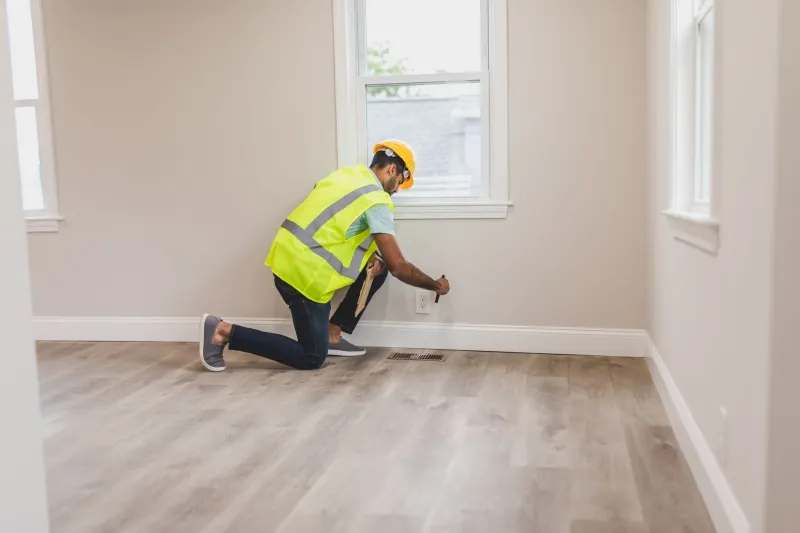
For most American buyers, the pre-delivery walkthrough feels like a formality — a pleasant stroll through a newly finished unit before signing the transfer documents and collecting the keys. In Thailand, treating it that way can be an expensive mistake.
The gap between developer promises and delivered reality is not unique to Thailand, but it is wider here than many foreign investors expect. Construction standards, finishing specifications, and contractor accountability mechanisms differ substantially from what buyers encounter in the United States. Understanding those differences — and knowing precisely what to look for before you accept possession — is one of the most direct ways to protect your investment at the moment it is most vulnerable.
Why the Walkthrough Matters More Than You Think
Once you accept transfer of a Thai condo unit, your leverage over the developer shrinks dramatically. Most purchase agreements contain remediation clauses that are enforceable only before the transfer of title. After signing, you are largely dependent on warranty provisions that vary in scope, are often poorly enforced, and require navigating a legal process in a language most American buyers do not speak.
This asymmetry places enormous practical importance on the walkthrough itself. It is your single best opportunity to document defects, demand remediation, and negotiate from a position of contractual strength. Investors who treat it as a social occasion — or who rely entirely on a developer's own snagging team — frequently discover problems months or years later that could have been resolved at no cost before transfer.
The Unit Itself: What Most Buyers Check and What They Miss
American buyers tend to focus on the obvious: paint quality, appliance function, tile alignment. These matter, but they represent only a fraction of what a thorough inspection should cover.
Water penetration and drainage are among the most consequential and most overlooked issues. Thailand's monsoon season places extreme stress on waterproofing systems. During a walkthrough, run every tap and shower simultaneously and observe the floor drains. Pooling water, slow drainage, or moisture at wall junctions can indicate inadequate waterproofing membranes beneath the tile — a defect that is straightforward to fix before transfer and expensive to remediate afterward.
Electrical grounding and panel quality deserve attention that most buyers skip entirely. Thai electrical standards differ from US standards, and quality varies significantly between developers. Check that all outlets function, that the circuit breaker panel is cleanly installed and properly labeled, and that air conditioning units — almost always the largest electrical draw in a Thai condo — are correctly sized for the unit's square footage.
Door and window seals are a surprisingly reliable proxy for overall construction quality. Poorly fitted frames allow moisture infiltration and compromise acoustic separation between units. Open and close every door and window; check for gaps at the frame perimeter; and confirm that sliding doors to balconies seal flush when closed. In higher-humidity coastal markets like Phuket or Ko Samui, these details have direct consequences for long-term maintenance costs.
Ceiling height and slab flatness are worth verifying against your purchase agreement. It is not uncommon for delivered units to fall marginally short of the specifications that were marketed. While minor variations may be within acceptable tolerances, significant discrepancies — particularly in premium units where ceiling height was a selling point — are legitimate grounds for negotiation.
Common Areas: The Inspection Most Buyers Entirely Skip
This is where American investors most consistently underperform relative to sophisticated local buyers. The common areas of a Thai condo development — the lobby, corridors, pool deck, fitness center, parking structure, and building envelope — represent shared infrastructure that your monthly maintenance fees will fund indefinitely. Their condition at delivery signals the quality of everything you cannot see.
Walk every floor of the building, not just your own. Inspect corridor finishes, lighting fixtures, and fire suppression systems. Examine the pool deck for cracking or uneven surfaces that suggest inadequate substrate preparation. Visit the parking structure and look for efflorescence — the white mineral deposits that appear on concrete surfaces when water is migrating through — which can indicate structural moisture issues that will become expensive over time.
The elevator machine room and pump room, if accessible, are worth a brief inspection. Improperly installed or undersized building systems are a recurring issue in mid-tier Thai developments and can generate significant special assessments in the early years of a building's life.
Finishing Standards: Recalibrating Your Expectations
One of the most common sources of disappointment for American buyers is the discovery that Thai finishing standards — even in premium developments — differ from what they associate with comparable price points in the United States. This is not necessarily a defect; it is a market-specific norm. But it becomes a problem when buyers fail to distinguish between what is standard for the Thai market and what represents a genuine departure from the project's own specifications.
Before your walkthrough, obtain the developer's finishing schedule — the document that specifies tile brands, fixture grades, countertop materials, and appliance models. Compare what is installed against what was promised. Substitutions are common in the Thai construction market, particularly for fittings and fixtures, and are sometimes made without buyer notification. Grout inconsistency, minor tile lippage, and paint overspray on trim are typically acceptable within Thai industry tolerances; material substitutions that deviate from the finishing schedule are not.
Engaging a Professional Inspector: Non-Negotiable for Serious Investors
For any purchase above the entry level, hiring an independent property inspector is not optional — it is a basic cost of doing business. Several firms operating in Bangkok, Phuket, and Chiang Mai specialize in pre-delivery snagging inspections for foreign buyers and provide detailed written reports with photographic documentation. Fees typically range from 5,000 to 15,000 Thai Baht depending on unit size and location.
That report becomes your negotiating instrument. Present it to the developer formally and in writing, and request written confirmation of which items will be remediated and by what date before you agree to proceed with transfer. Developers with strong reputations will engage constructively; those who push back aggressively on legitimate defects are providing useful information about how they will handle post-transfer warranty claims.
Timing and Leverage: Practical Negotiation Notes
Do not allow yourself to be rushed. Developers sometimes apply subtle pressure to complete transfers before a quarter-end deadline or before a financing arrangement expires. Your contractual right to inspect and request remediation exists regardless of those pressures, and exercising it is entirely reasonable.
If the developer requires additional time to address snagging items, request a written remediation schedule and consider whether you are willing to accept transfer with an escrow holdback — an amount withheld from the final payment until specified items are resolved. This arrangement is not standard practice in Thailand but is sometimes negotiable and provides meaningful post-transfer leverage.
A Final Word on Documentation
Photograph everything during your walkthrough. Date-stamp every image. If you have engaged an inspector, ensure their report is signed and on company letterhead. These records are your evidentiary foundation if disputes arise later — and in a foreign jurisdiction, the quality of your documentation will matter more than the strength of your argument.
The pre-delivery inspection is not a celebration. It is the last moment at which you hold maximum leverage over the asset you are acquiring. American investors who approach it with the same discipline they would apply to any other due diligence process consistently achieve better outcomes than those who do not.