When Developers Fall: How Thai Construction Insolvencies Are Generating Rare Entry Points for Disciplined American Investors
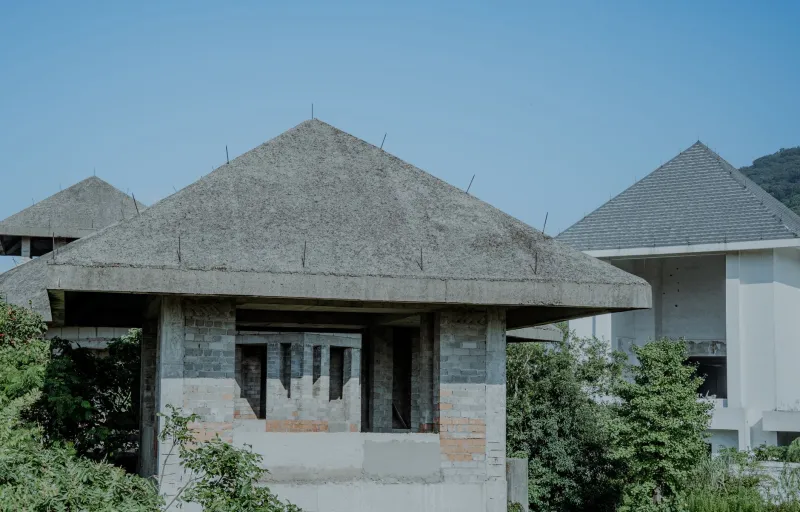
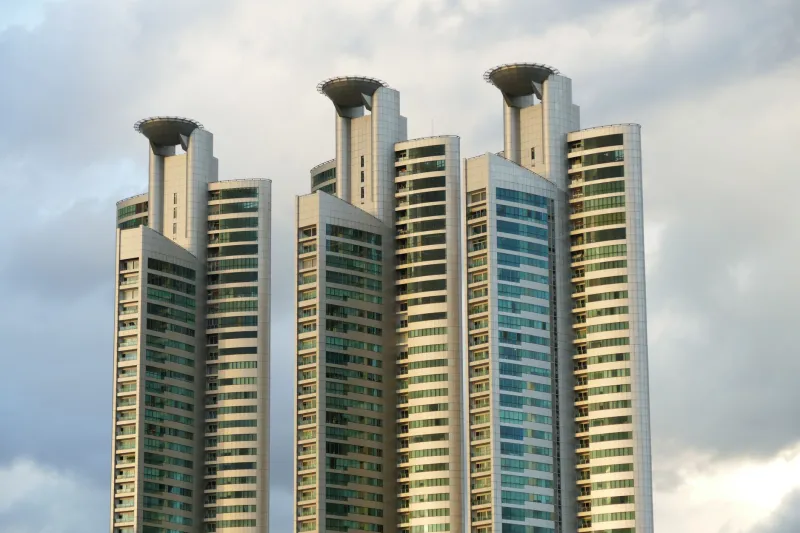
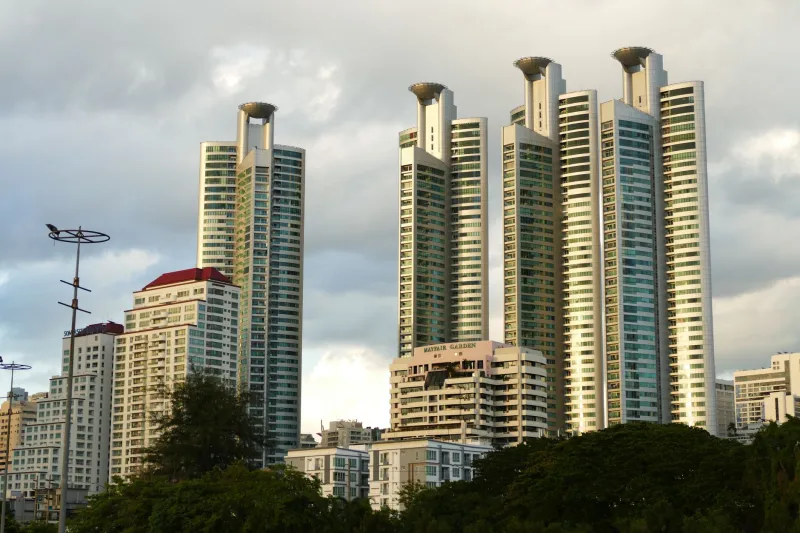
In real estate markets worldwide, developer distress tends to follow a predictable rhythm: overbuilding during optimism, financing strain during contraction, and eventual insolvency when presale revenue can no longer service construction debt. Thailand is currently navigating one of the more pronounced iterations of this cycle, and the consequences are visible across Bangkok's outer districts, Phuket's hillside corridors, and several secondary cities that experienced aggressive project launches between 2018 and 2022.
For American investors accustomed to scanning for value in mature markets, the Thai developer insolvency wave may represent one of the more compelling entry points this decade — provided the approach is disciplined, legally informed, and genuinely patient.
What Is Driving Developer Failures in Thailand Right Now
Thailand's property development sector is structurally dependent on presale momentum. Most developers finance construction not through traditional bank lending alone, but through a combination of off-plan purchaser deposits, progressive payment installments, and revolving credit facilities tied to sales milestones. When presale velocity slows — as it did sharply during the pandemic years and has continued to soften amid reduced Chinese buyer activity — this funding architecture becomes fragile.
Several compounding factors have accelerated distress. First, a significant portion of presale demand in the 2018–2021 period was driven by mainland Chinese investors, many of whom did not ultimately close on units as capital controls tightened and sentiment shifted. Developers who had structured their cash flow projections around that demand were left with funding gaps at critical construction stages.
Second, construction costs in Thailand increased meaningfully during the post-pandemic period, squeezing margins on projects already committed to presale pricing. Developers who had sold units at 2019 prices were completing them at 2023 costs, a mismatch that proved fatal for those operating with thin equity cushions.
Third, Thailand's regulatory environment for project approvals and environmental impact assessments has grown more demanding in certain provinces, particularly in Phuket and coastal areas, adding timeline delays that stretch financing arrangements beyond their designed parameters.
The result is a growing inventory of partially completed, stalled, or legally encumbered projects across the country — some of which present genuine acquisition opportunities for buyers willing to engage with the complexity.
What Distressed Projects Actually Look Like on the Ground
Not all troubled projects are equal, and distinguishing between recoverable and unrecoverable situations is the foundational skill of distressed property investing anywhere in the world.
In Thailand, distressed condominium situations generally fall into three categories. The first involves projects that are complete or near-complete but whose developer has entered formal insolvency proceedings, leaving unit transfers in legal limbo. The second involves projects that are partially constructed and have been suspended, with completion uncertain. The third involves projects where the developer remains technically solvent but is under acute financial pressure and willing to negotiate significant discounts on unsold inventory to generate immediate liquidity.
For American investors, the third category typically offers the most accessible entry point. Negotiating directly with a distressed-but-solvent developer for completed or near-completed units at below-market pricing involves fewer legal complications than engaging with formal insolvency proceedings, and the title transfer process — while still requiring careful due diligence — follows a more conventional path.
The first category, involving projects under formal receivership or bankruptcy administration, can yield the deepest discounts but demands a level of legal engagement that goes well beyond what most international buyers are prepared for without experienced local counsel.
Navigating the Legal and Title Complications
When a Thai developer enters formal insolvency, the legal framework governing asset disposition falls under Thailand's Bankruptcy Act and, for rehabilitation proceedings, the Central Bankruptcy Court. Foreign buyers considering acquisitions from receivers or administrators need to understand several critical points.
Title clarity is not guaranteed simply because a unit is physically complete. If the developer has pledged the land title or project assets as collateral to a financial institution — which is standard practice — the lender's claim takes precedence over unsecured creditors, including buyers who have paid deposits. In some cases, buyers who have made substantial off-plan payments find themselves as unsecured creditors in a queue that may yield cents on the dollar.
For buyers approaching these situations as new acquirers rather than existing depositors, the relevant question is whether clear, unencumbered title can be transferred at closing. This requires engaging a Thai attorney with specific experience in property transactions arising from insolvency proceedings — not simply a general real estate lawyer. The due diligence process must confirm that any encumbrances on the land title have been discharged or will be discharged as a condition of transfer.
Americans should also be aware that Thailand's foreign ownership rules do not pause for distressed transactions. The 49% foreign quota within any given condominium project still applies, and a project with significant unsold inventory may already have quota complications if the developer sold aggressively to foreign buyers in earlier phases.
How to Identify and Approach Distressed Opportunities
Distressed project opportunities in Thailand are rarely advertised openly. Developers under financial pressure are motivated to avoid public perception of failure, and receivers are often operating under court-supervised timelines that limit marketing activity. The most reliable sourcing channels are local property attorneys who handle commercial real estate, established Thai real estate agencies with developer relationships, and — for larger acquisitions — direct engagement with the financial institutions holding project-level debt.
When approaching a developer in financial distress directly, the negotiation dynamic differs meaningfully from a standard transaction. The seller's priority is often speed and certainty of close rather than headline price maximization. American buyers who can demonstrate financial readiness — ideally with funds already positioned in Thailand or in a readily transferable form — hold a disproportionate negotiating advantage. Developers facing liquidity deadlines will accept material discounts from buyers who can close in weeks rather than months.
Before entering negotiations, establish a clear understanding of the unit's current legal status, the state of construction completion, any outstanding transfer fees or taxes owed by the developer, and the timeline for title issuance. These factors materially affect the true net cost of acquisition and should be reflected in any offer price.
Pricing the Discount Correctly
The appeal of distressed acquisitions lies in the potential to acquire assets below replacement cost or prevailing market value. In Thailand's current environment, discounts of 15% to 30% off developer list pricing are achievable on completed inventory held by financially pressured developers. In formal insolvency situations, discounts can be more substantial, though the legal costs and timeline risks must be priced into the calculus.
American investors should resist the temptation to evaluate these discounts against the developer's original asking price, which may itself have been inflated. The more meaningful benchmark is comparable completed units transacting in the secondary market, adjusted for the specific project's location, build quality, and amenity profile.
Patience is not merely a virtue in this context — it is a structural requirement. Distressed acquisitions in Thailand can take considerably longer to close than standard transactions, and the due diligence process demands more time and professional resources. Investors who approach these opportunities with a compressed timeline or inadequate legal support tend to either miss the opportunity or acquire problems they did not price.
The Disciplined Path Forward
Thailand's developer distress cycle is unlikely to resolve quickly. The structural imbalances that produced it — excess supply in certain segments, funding models dependent on presale velocity, and a meaningful pullback in the foreign buyer cohort that drove demand — will take time to rebalance. That extended timeline is, paradoxically, an advantage for American investors who are prepared to engage methodically.
The opportunities are real. So are the complications. The investors most likely to benefit are those who arrive with clear acquisition criteria, experienced local legal counsel, and the financial flexibility to move decisively when the right situation presents itself. At 119 Asset Thailand, we work with investors at every stage of this process — from initial market orientation to transaction-specific due diligence support. The distressed segment of Thailand's property market rewards preparation above all else.